
Laminate vs Concrete overlay
In this post, we'll explore the differences between two popular flooring options: laminate and concrete overlay. Let's dive in to understand how they differ in terms of material, durability, and installation process.
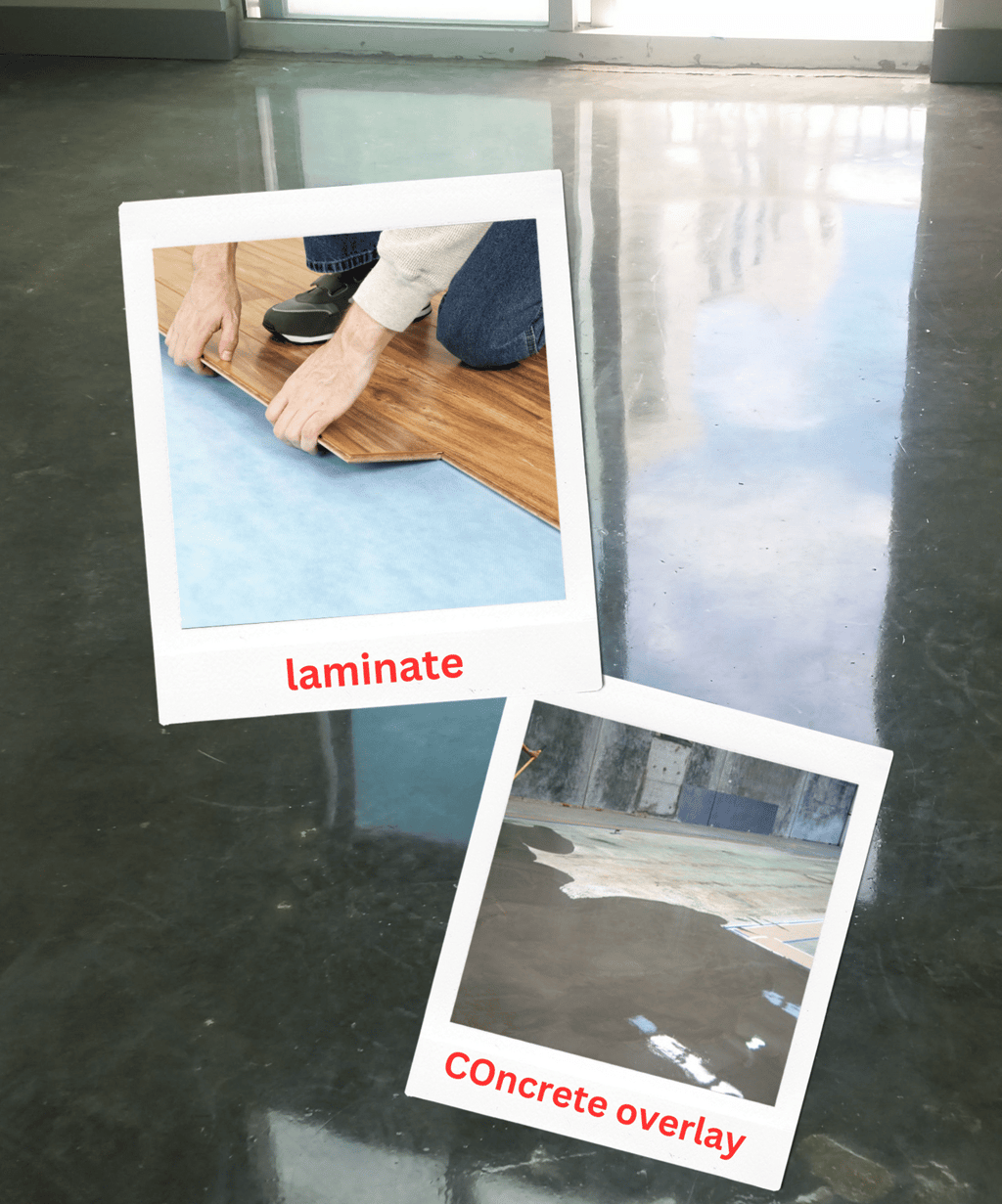
In Miami, where style and durability are essential considerations in flooring, two options come to mind: concrete overlays and laminate. Let's delve into the differences between these two materials and how they can elevate your space.
Concrete Overlay: Think of a concrete overlay as a new skin for your existing flooring. A layer of concrete, expertly applied, transforms the look and feel of your space. With advanced techniques like staining, stamping, and polishing, concrete overlays can mimic the aesthetics of various materials like stone or wood. The result? A floor that's not only stunning but also built to last.
Durability and Maintenance: Once installed, a concrete overlay is remarkably robust, resistant to scratches, stains, and UV damage. However, to maintain its shine, periodic resealing is necessary.
Laminate: This synthetic material offers a range of options in patterns, colors, and textures. It's a budget-friendly choice, but less durable than concrete overlays. It's prone to scratches and moisture damage, making it less suitable for areas like kitchens and bathrooms.
Installation Process: Concrete overlay installations are intricate, requiring thorough surface preparation and meticulous application. On the other hand, laminate installation is more straightforward - cut sheets to size and adhere to the subfloor.
Cost: The initial cost of a concrete overlay might be higher, especially if extensive repairs or leveling are needed. But over time, its resilience makes it a cost-effective investment. Laminate, being budget-friendly, appeals to those looking for cost-effective solutions.
In conclusion, the choice between a concrete overlay and laminate depends on various factors, including budget and aesthetic preferences. For Miami residents seeking a durable, stylish flooring solution, concrete overlays might be the perfect fit.
You
Material Composition:
Concrete Overlay: This is essentially a layer of concrete applied over an existing surface. The composition of this layer is quite sophisticated; it's not just plain concrete. Specialized blends are used that can mimic the appearance of various materials like stone or wood. This is achieved through advanced techniques such as staining, stamping, or polishing.
Laminate Flooring: This is a synthetic material made of layers of plastic and paper that are bonded together under high pressure. The top layer is often a high-resolution image of natural materials like wood or stone, which gives it its visual appeal.
Durability and Maintenance:
Concrete Overlay: Once installed, a concrete overlay is highly resistant to scratches, stains, and UV damage, making it ideal for high-traffic areas. However, to maintain its appearance and protection from damage, periodic resealing may be required.
Laminate Flooring: Laminate is not as durable as concrete overlay. It is susceptible to scratching and moisture damage, so it is not recommended for areas prone to water exposure, such as bathrooms or kitchens. However, laminate is easy to clean and maintain, requiring only regular sweeping and occasional mopping.
Installation Process:
Concrete Overlay: The installation process for concrete overlays is a bit more complex. It involves thorough surface preparation, ensuring the existing surface is clean and level. The concrete overlay is then applied and meticulously finished to achieve the desired look.
Laminate Flooring: Laminate flooring installation is relatively straightforward. The laminate sheets are cut to size, then glued or nailed to the subfloor. The seams are sealed with an adhesive.
Cost:
Concrete Overlay: The initial cost of a concrete overlay may be higher, especially if extensive surface preparation or repairs are needed. However, the long-term durability and low maintenance requirements can make it a cost-effective choice.
Laminate Flooring: Laminate flooring is more budget-friendly upfront. However, it may not last as long as concrete overlays and may require replacement sooner, which can increase costs in the long run.
In summary, the choice between a concrete overlay and laminate flooring depends on your priorities, budget, and specific requirements. Concrete overlays offer a durable, long-lasting solution that can be customized to mimic various natural materials. Laminate flooring, on the other hand, is more budget-friendly and offers a wide range of options in terms of colors and patterns.


Stay connected