
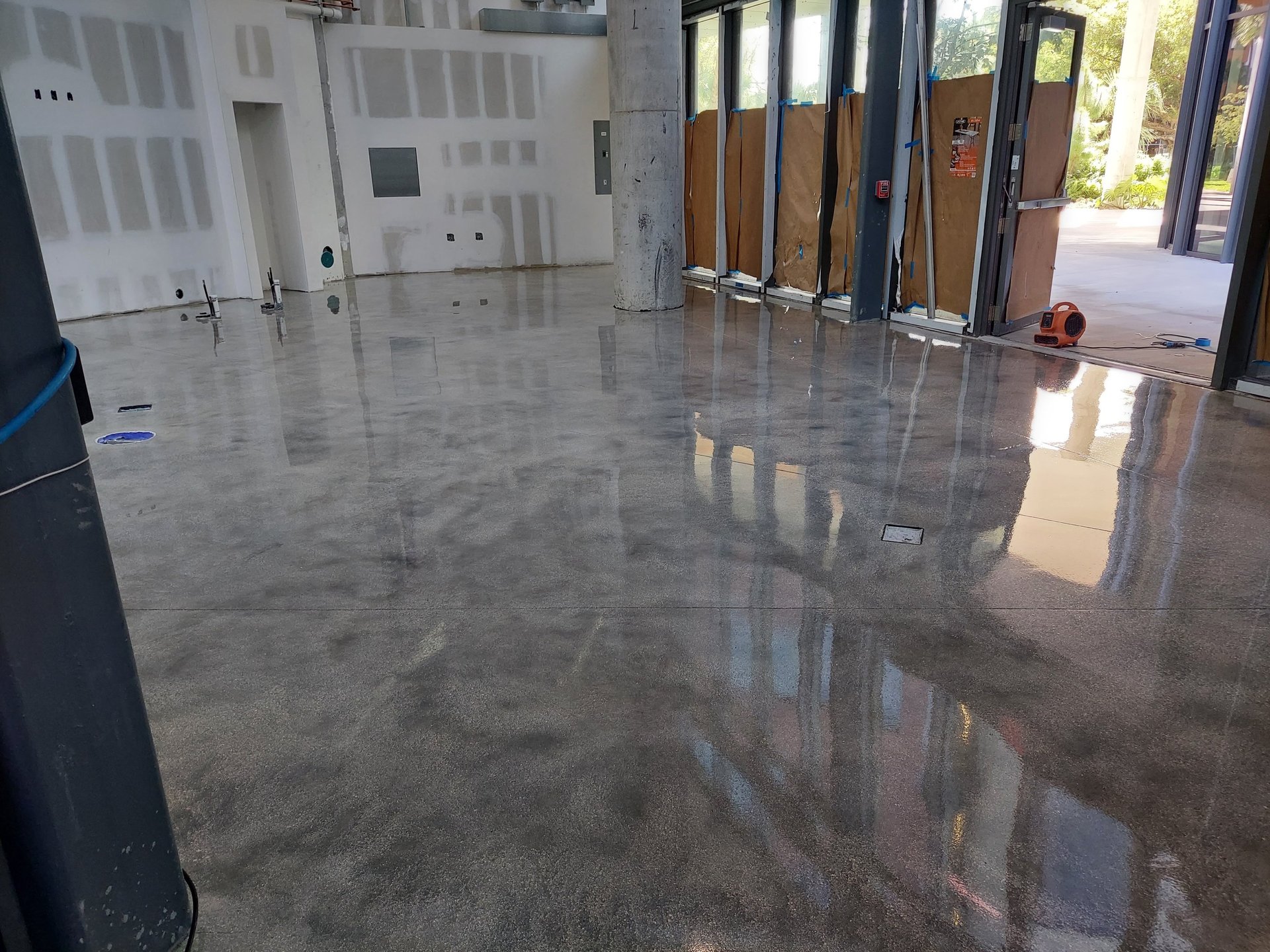
What is Concrete polishing?
This blog post is about concrete polish and the different types of polish concrete installation that are available in the market. I hope you will find the information provided helpful.
My post content
Title: Transforming Spaces with the Brilliance of Concrete Polishing
Concrete – once considered a basic, unyielding material primarily used in construction, has emerged as a design trendsetter, lending its rustic yet refined character to modern interiors and exteriors. With the development of concrete polishing techniques, this seemingly humble material has transformed into a vibrant and versatile medium that is sought after by architects, interior designers, and homeowners alike. Today, we will delve into the world of concrete polishing, exploring its processes, benefits, and the stunning results it can achieve.
What is Concrete Polishing?
Concrete polishing is a multi-step process that involves grinding and polishing the surface of concrete to create a smooth and glossy finish. The process typically begins with the removal of any existing coatings or sealants, followed by grinding to remove surface imperfections and level the concrete. After this, a series of progressively finer grits are used to polish the surface to the desired shine. Finally, a sealant is applied to protect the surface and enhance its durability.
Benefits of Concrete Polishing
Aesthetics: Concrete polishing can transform the look of a space, providing a sleek and modern finish that complements a wide range of design styles. The glossy surface reflects light, creating a bright and inviting atmosphere.
Durability: Polished concrete is highly durable and resistant to stains, scratches, and abrasion. This makes it an ideal choice for high-traffic areas such as commercial spaces, garages, and warehouses.
Low Maintenance: Unlike other flooring options that require regular waxing or refinishing, polished concrete is easy to clean and maintain. Regular sweeping and occasional mopping are usually sufficient to keep the surface looking its best.
Eco-Friendly: Concrete is a sustainable building material, and polishing it can further enhance its eco-friendly credentials. By using natural, non-toxic materials in the polishing process, the environmental impact is minimized.
Cost-Effective: In comparison to other flooring options such as hardwood or tile, concrete polishing is generally more affordable. Additionally, its durability means fewer repairs and replacements over time, reducing long-term costs.
Applications of Concrete Polishing
The versatility of polished concrete makes it suitable for a wide range of applications, including:
Residential Spaces: Polished concrete floors are increasingly popular in contemporary homes, adding an industrial-chic vibe to interiors. The seamless finish also makes them ideal for open-plan living areas and kitchens.
Commercial Spaces: From retail stores and restaurants to offices and showrooms, polished concrete offers a sleek and professional look that can enhance the image of a business. Its durability and low maintenance requirements make it a practical choice for commercial environments.
Industrial Spaces: In industrial settings such as factories and warehouses, polished concrete can withstand heavy machinery and forklift traffic. It also provides a dust-free surface, improving air quality and safety.
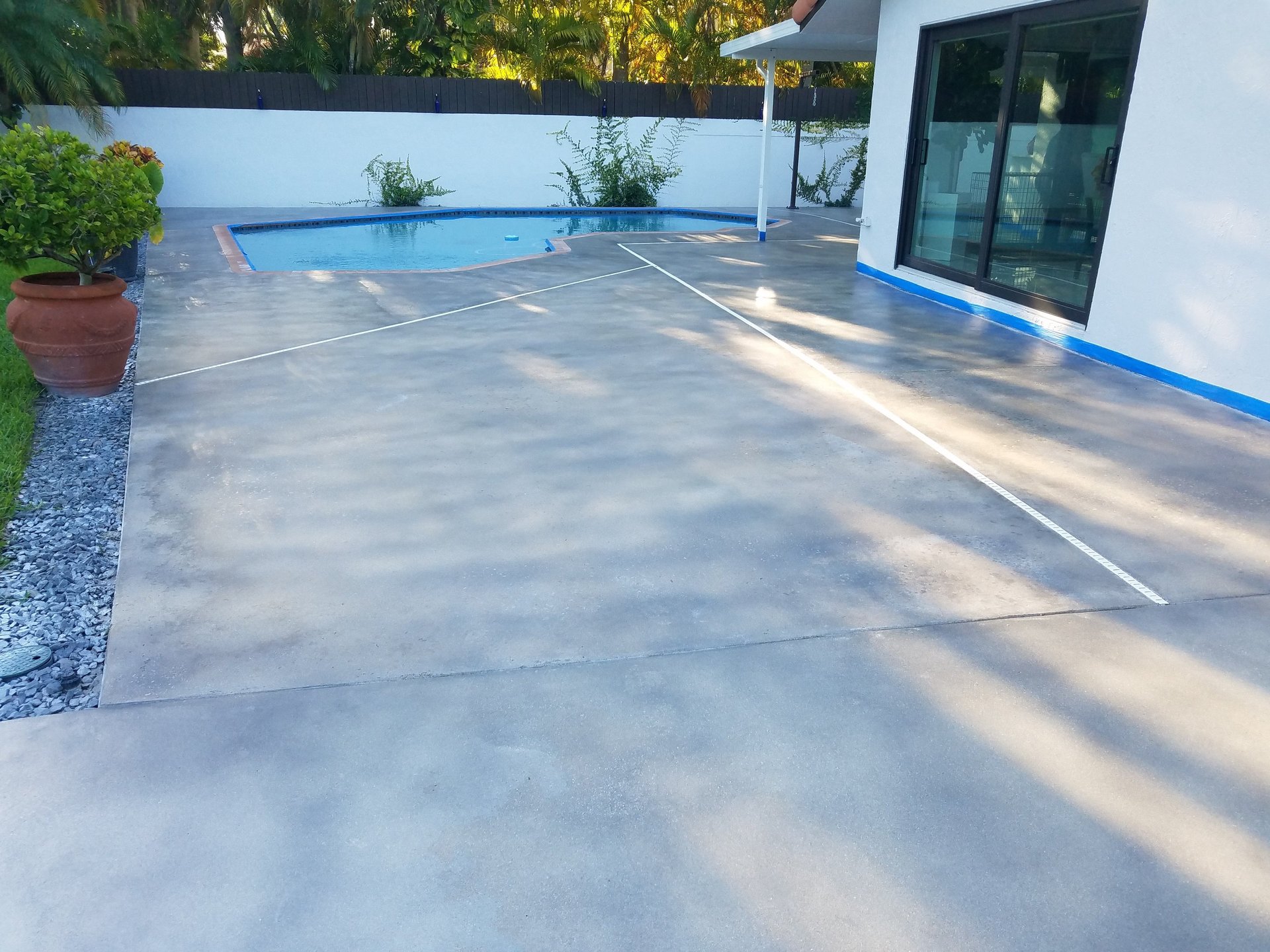
Outdoor Spaces: Polished concrete is not limited to indoor use; it can also be used to create stunning outdoor patios, driveways, and pool surrounds. The UV-resistant sealant protects the surface from sun damage and fading.
In conclusion, concrete polishing has revolutionized the way we think about concrete as a building material. Its aesthetic appeal, durability, and eco-friendly nature make it a popular choice for a wide range of applications. Whether you're renovating a residential space or designing a commercial project, consider the timeless elegance of polished concrete to create a space that is both stylish and sustainable.
Concrete Polishing – A Comprehensive Guide
Introduction to Concrete Polishing:
Brief history and development of concrete polishing techniques.
Explanation of the process and equipment involved in concrete polishing.
Advantages of Concrete Polishing:
Aesthetics: Exploring the wide range of finishes and colors available.
Durability: How polished concrete compares to other flooring options.
Low maintenance: Minimal upkeep required to keep polished concrete looking its best.
Environmental benefits: Discussing the eco-friendly aspects of concrete polishing.
Different types of Concrete Polishing:
Full Aggregate Exposure: Ideal for older concrete surfaces, it involves removing the top layer of concrete to reveal the underlying aggregate.
Partial Aggregate Exposure: Suitable for newer concrete surfaces, this method selectively exposes some of the aggregate while leaving the rest covered.
No Aggregate Exposure: Also known as cream polishing, this method does not expose the aggregate, resulting in a smooth and uniform surface.
Applications of Concrete Polishing:
Residential: Examples of how polished concrete can be used in homes, including floors, countertops, and even furniture.
Commercial: Discussing the various commercial spaces where polished concrete is commonly used, such as retail stores, restaurants, and offices.
Industrial: How polished concrete can withstand the harsh conditions of industrial environments, including factories, warehouses, and production facilities.
Outdoor: The benefits of using polished concrete in outdoor settings, such as patios, driveways, and pool decks.
Cost and Installation Process:
Factors that influence the cost of concrete polishing, such as the size of the area, the condition of the existing concrete, and the desired finish.
A step-by-step guide to the installation process, from surface preparation to the application of the final sealant.
Title: Exploring the Art of Concrete Installation: A Guide to Various Types and Techniques
Introduction: Concrete, a versatile and enduring building material, has long been valued for its strength and durability. But the artistry and craftsmanship that goes into its installation is often overlooked. In this blog post, we'll explore the various types of concrete installation, from traditional to decorative, and the techniques that go into creating beautiful and functional concrete surfaces.
Traditional Concrete Installation:
Plain Concrete: The most basic form of concrete installation, often used for sidewalks, driveways, and foundations. The concrete is poured, leveled, and finished with a trowel to create a smooth surface.
Stamped Concrete: A decorative technique that involves stamping patterns or textures into the concrete while it's still wet. This can mimic the look of brick, stone, or tile.
Exposed Aggregate: In this method, the top layer of concrete is removed to expose the aggregate underneath. This creates a textured, pebbly surface that's ideal for outdoor spaces.
Reinforced Concrete Installation:
Reinforced concrete involves embedding steel bars or mesh within the concrete to increase its strength and flexibility. This is often used in large-scale projects like bridges and high-rise buildings.
Fiber-Reinforced Concrete: A newer technique that uses synthetic fibers to reinforce the concrete. This is often used in countertops and other decorative applications.
Decorative Concrete Installation:
Polished Concrete: Achieved through grinding and polishing the surface of the concrete, this creates a glossy, marble-like finish.
Stained Concrete: Staining the concrete with acid-based or water-based stains creates vibrant colors and patterns. This is often used for floors and countertops.
Decorative Overlays: A thin layer of concrete is applied over an existing surface, then stamped or stained to create a decorative finish.
Advanced Techniques:
Shotcrete: A method of spraying concrete onto a surface using a high-pressure hose, often used for vertical or overhead applications like tunnels and swimming pools.
Slipforming: A continuous pouring process that uses a form that moves along with the concrete as it sets. This is used for curbs, gutters, and other linear structures.
Sustainable Concrete Installation:
Green Concrete: Made with recycled materials like fly ash and slag, this reduces the carbon footprint of the concrete.
Low-Carbon Concrete: Incorporating alternative cementitious materials like ground granulated blast furnace slag and calcined clays reduces the carbon emissions associated with traditional cement production.
Conclusion: The art of concrete installation is as diverse and complex as the material itself. Whether you're looking for a traditional, reinforced, decorative, or sustainable option, there are techniques and methods that can be tailored to your project's needs. The possibilities are endless, and with skilled craftsmanship, concrete can be transformed into a beautiful and functional surface that stands the test of time.
Title: A Concrete Revolution: The Art and Innovation of Modern Concrete Installation
Introduction: Concrete has been the backbone of modern construction for centuries, but advancements in technology and design have transformed it from a humble building material into a versatile and expressive medium. In this blog post, we'll explore the art and innovation of modern concrete installation, from advanced techniques to sustainable practices that are shaping the future of construction.
Advanced Techniques:
Pre-cast Concrete: Concrete is poured into molds off-site and then transported to the construction site. This allows for greater precision and consistency in the finished product.
Ultra-High Performance Concrete (UHPC): A high-strength, durable form of concrete that is ideal for complex and innovative designs. It can be used to create thin, lightweight structures that are both beautiful and functional.
3D Printing: Advances in 3D printing technology have made it possible to create intricate concrete structures with unprecedented precision. This is revolutionizing the way we think about construction, allowing for greater customization and creativity.
Sustainable Practices:
Carbon Capture: Some concrete manufacturers are capturing carbon dioxide emissions during the production process and using it to produce synthetic aggregates. This reduces the carbon footprint of the concrete and makes it a more sustainable option.
Recycled Materials: Incorporating recycled materials like crushed glass, fly ash, and recycled aggregate into concrete mixes reduces the demand for virgin materials and diverts waste from landfills.
Low-Impact Installations: Installing concrete in a way that minimizes disruption to the environment, such as using non-invasive anchoring systems or porous paving to reduce stormwater runoff.
Innovative Applications:
Solar-Reflective Concrete: Concrete that has been treated with a special coating to reflect sunlight can reduce the heat island effect in urban areas and lower energy costs for buildings.
Self-Healing Concrete: Microorganisms or capsules containing healing agents are embedded in the concrete, which are activated when cracks form to repair the damage.
Transparent Concrete: Concrete that has been embedded with optical fibers or glass can transmit light while maintaining the strength and durability of traditional concrete.
Conclusion: The art and innovation of modern concrete installation are pushing the boundaries of what is possible in construction. From advanced techniques that allow for greater precision and creativity to sustainable practices that reduce the environmental impact of concrete production, the future of concrete is bright and exciting. Whether you're looking to build a sustainable structure or create a stunning work of art, concrete offers endless possibilities for architects, designers, and builders alike.


Stay connected